

Men's Athletic Pants Built for the Gym and Beyond
These men's pants go from training to the rest of your day. Pima cotton joggers, stretch blends, and tapered cuts built in San Francisco. Real range of motion, a fit that holds, and a look that works when the workout ends.
-
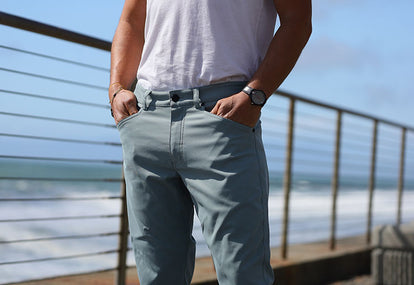
Tour Pant -


Tour Pant in Black $138Rated 4.9 out of 5 stars48 Reviews -


Tour Pant in Slate $138Rated 4.9 out of 5 stars60 Reviews -


Tour Pant in Deep Sea $138Rated 5.0 out of 5 stars49 Reviews -


Tour Pant in Vintage Blue $138Rated 5.0 out of 5 stars25 Reviews -


Tour Pant in Olive Khaki $138Rated 4.9 out of 5 stars22 Reviews -


Tour Pant in Sienna $138Rated 4.9 out of 5 stars37 Reviews -


Tour Pant in Dark Oak $138Rated 4.9 out of 5 stars14 Reviews -


Tour Pant in Dusty Olive $138Rated 4.8 out of 5 stars25 Reviews -


Tour Pant in Khaki $138Rated 4.8 out of 5 stars44 Reviews -


Tour Pant in Steely Blue $138Rated 4.9 out of 5 stars21 Reviews -


Tour Pant in Mocha $138Rated 4.9 out of 5 stars8 Reviews -


Tour Pant in Sequoia $138Rated 5.0 out of 5 stars8 Reviews -


Tour Pant in Graphite $138Rated 5.0 out of 5 stars14 Reviews
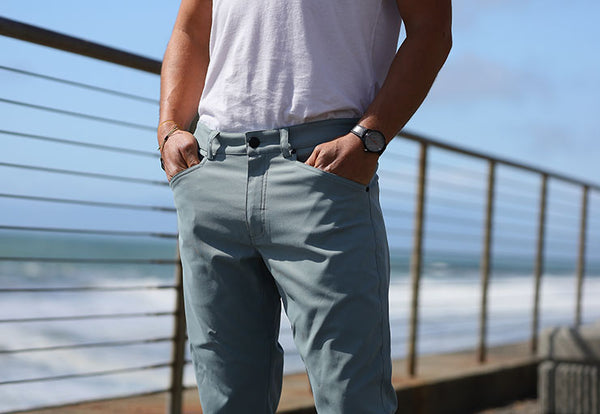


-
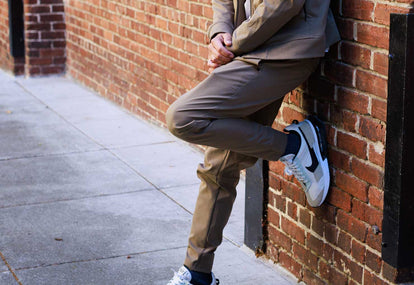
Tour Jogger -


Tour Jogger in Slate $128Rated 4.4 out of 5 stars9 Reviews -


Tour Jogger in Olive Khaki $128Rated 4.8 out of 5 stars6 Reviews
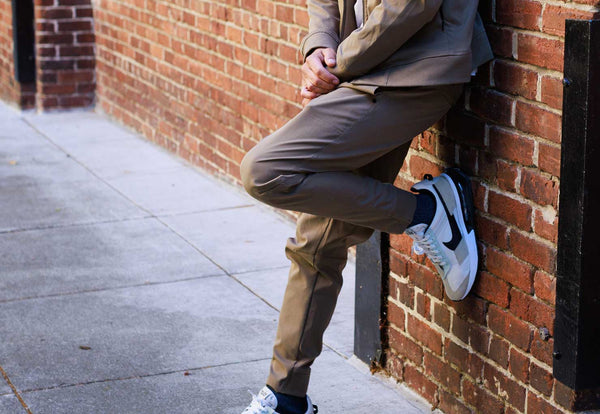


-

Everyday Pant -


Everyday Pant in River $98Rated 4.9 out of 5 stars29 Reviews -


Everyday Pant in Dusty Olive $98Rated 5.0 out of 5 stars14 Reviews -


Everyday Pant in Khaki $98Rated 4.9 out of 5 stars18 Reviews



Which Style Fits Your Day
What People Ask About Men's Athletic Pants
What makes a good pair of men's athletic pants?
A good pair of men's athletic pants delivers on three things: fabric, fit, and finish. The fabric should move with you without clinging awkwardly after a sweat, which is why performance blends with four-way stretch and moisture-wicking properties matter more than thread count. Fit means tapered enough to look sharp off the gym floor, but not so slim you can't hit depth in a squat. And finish means the construction details — waistband, inseam, hem — are executed cleanly so the pants look as good after twenty washes as they did out of the bag.
How are these athletic pants different from regular sweatpants?
These aren't sweatpants with a new name. Standard sweatpants are cut loose, made from basic fleece, and don't translate outside the house. The men's athletic pants in this collection use structured fabrics — moisture-wicking blends, pima cotton knits, stretch-engineered weaves — and are patterned with a tapered silhouette that reads as intentional. The waistbands are low-profile and sit cleanly rather than rolling. Details like interior drawcord placements, flat-lock seams, and finished hems separate these from anything you'd classify as loungewear.
What fabric should I look for in men's athletic pants?
It depends on what you're doing in them. For high-output training — running, HIIT, lifting — moisture-wicking performance blends with four-way stretch are the right call because they pull sweat away and don't restrict movement. For lower-intensity days, active commuting, or casual wear, pima cotton offers a softer hand feel and a more relaxed drape that still holds its shape. Many guys in this collection end up owning both: a performance pair for workouts and a pima cotton pair for everything else.
Are these pants good for both the gym and everyday wear?
That's exactly what they're designed for. The cut is athletic enough to train in but clean enough to wear to a coffee shop, a casual meeting, or a weekend errand run without looking like you just left the gym. The key is the silhouette — tapered through the leg and finished at the ankle rather than pooling or bagging out. Pair them with a fitted tee and you've got a complete look. That transition is built into the design from the start, not retrofitted as a marketing claim.
How should men's athletic pants fit?
At the waist, the fit should be snug without digging — a flat-lying drawcord or interior elastic should hold things in place without bunching. Through the seat and thigh, there should be enough room to move fully without the fabric pulling across your quad when you lunge or squat. From the knee down, a tapered fit reads cleanest and keeps the silhouette from looking sloppy. Inseam length matters too: most guys prefer a hem that sits right at or just above the ankle for that clean finish.
What's the difference between men's joggers and men's tapered athletic pants?
Joggers typically feature a ribbed or elasticated ankle cuff that gathers the hem, giving them a more casual, streetwear-adjacent look. Tapered athletic pants have a clean, open hem with no cuff — the leg just tapers gradually and ends flat. Both silhouettes work for casual wear and light training, but tapered styles tend to look more polished in everyday contexts. If you want something that reads slightly dressier or pairs well with trainers and a clean top, tapered is usually the stronger call.
How do I find the right size in men's athletic pants?
Start with your waist measurement in inches and compare it to the size chart rather than guessing based on your usual trouser size — athletic cuts can vary between brands. Inseam is the second measurement that matters most, especially for tapered styles where hem placement changes the look significantly. If you're between sizes and plan to wear these for training, size up for the freedom of movement. If you're buying primarily for casual wear and care more about the silhouette, size down or stay true to your measurement.
How do I wash and care for athletic pants?
Cold water machine wash is the right default for both performance blends and pima cotton styles. Turn the pants inside out before washing to preserve color and protect any printed or bonded details. Skip the fabric softener on performance fabrics — it coats the moisture-wicking fibers and reduces their effectiveness over time. Low heat or air dry is the move for both fabric types; high heat breaks down stretch fibers faster and can cause the waistband elastic to degrade. Consistent cold wash, air dry care keeps these looking right for the long run.
Are these men's pants suitable for travel?
Yes, and they're genuinely one of the smarter things to pack. Performance blend styles resist wrinkles, dry fast if you hand wash them on the road, and their stretch construction handles long flights or car rides without cutting off circulation the way a structured trouser does. Pima cotton styles are slightly more prone to light creasing but still recover quickly. The tapered silhouette means they pair with whatever you've got in the bag — a button-down, a fitted tee, a light layer. Less bulk, more range.
What sets this brand's athletic pants apart from other men's activewear labels?
The difference starts in San Francisco, where the design ethos is built around the modern active man who needs one pair of pants to cover more ground than most brands account for. Fabrics are selected with both performance and longevity in mind — pima cotton for softness that doesn't pill, moisture-wicking blends engineered for stretch retention after repeated wash cycles. The fit is refined rather than oversized or aggressively tapered: enough room to move, enough structure to look intentional. The aesthetic stays clean and minimal because the goal was never to compete with gym-specific activewear brands on logo placement and colorblocking. It was to build men's athletic pants that function at the same level but live well outside the gym.
